SOMATIC SEQUENCE
WHAT ARE SOMATIC MOVEMENTS?
Somatic movements are slow, mindful, body-led movements designed to help you release tension, reset your nervous system, repattern movement habits.
Instead of exercising for fitness, somatic movements are about feeling from the inside out ("soma" = the body experienced from within). You're not performing a shape — you're exploring how it feels to move, gently and consciously.
INSTANTLY RELEASE STRESS IN THE LAZIEST WAY POSSIBLE
14 mins daILY x 21 days supports:
Nervous system regulation
Hormonal balance
Cellulite & water retention release
Healthy digestion & blood circulation
Softened fascia & emotional resilience
Enhances sleep quality
Trapped emotions evaporate on their own
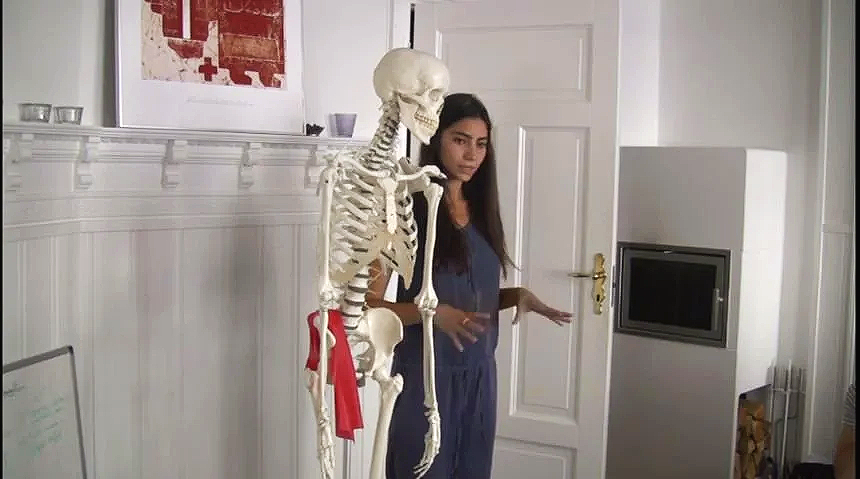
Yu Lin teaching about the Psoas Major
Musician’s Health & Movement Institute, Oslo 2015
WHY IS THIS SOMATIC SEQUENCE UNIQUE?
Yu Lin Humm is the only trauma-informed, certified level 3 Timani teacher in the world who combines Timani with Traditional Chinese Medicine, Dance training and Somatics in one, unified practice.
The Timani teacher certification Yu Lin completed was one of the first rounds of the Institute, when practices such as Brainspotting, Mind Detox, Emotional Connection, Somatics and the constantly updated scientific research (til this day) about fascia were part of the curriculum. This Somatic Sequence is a bite-sized practice that merges those comprehensive studies in a simple toolbox for busy and mindful people.
SOMATICS HISTORY - 1970s
Somatic Experiencing (SE) is a body-oriented approach to healing trauma, developed by Dr. Peter Levine. It’s based on the idea that trauma runs deep in the nervous system.
Rather than focusing on the event itself, SE works with the physiological responses that got stuck in the body—like fight, flight, or freeze.
Through gentle awareness, slow pacing (titration), and body tracking, SE helps the nervous system complete these responses, release stored survival energy, and return to regulation.
Key principles of Somatic Experiencing:
Titration: working in small, manageable doses to avoid overwhelm
Pendulation: gently moving between sensations of discomfort and safety to build resilience
Completion: allowing the body to finish interrupted trauma responses (like a shake, breath, or impulse)
Bottom-up healing: starting with body sensations rather than thoughts or narrative
The goal is to restore the body’s natural capacity to self-regulate, leading to more ease, clarity, and resilience—physically, emotionally, and mentally.
What makes the MOVEMENT somatic?
Done with awareness (not autopilot)
Slow and intentional (to rewire the brain–body loop)
Non-forced (no pushing, no "no pain no gain")
Often done lying or sitting down (to reduce gravity's load)
Focused on internal sensation (interoception & proprioception)
more Benefits
Releases chronic tension (esp. in jaw, hips, back, shoulders)
Resets the fight/flight/freeze reflexes so you can start living NOT in survival mode
Improves posture, breathing, and coordination
Supports trauma release & emotional regulation
Enhances body awareness, grounding, and presence
FAQS
1. Who is it for?
Everyone — especially those dealing with:
Stress or burnout, adrenal fatigue
Chronic tensions or pain
Nervous system dysregulation, PTSD, CPTSD
Hormonal imbalances, lymphatic complications
Narcissistic abuse survival
Musicians, performers, or athletes looking to improve function with less strain and smoother recovery
Open to all genders and ages. No flexibility or fitness level is required.
2.What if I don’t feel anything at first?
Totally normal. If you've been living in “head mode” or disconnected from your body for a long time, it takes time to rebuild somatic awareness. It gets clearer the more you practice. No feeling = no problem. Just keep going.
3. What if I feel emotional during or after?
Somatic movement stirs trapped emotions or incomplete stress responses held in the tissues (especially in the jaw, hips, diaphragm, and psoas). If tears, frustration, or even laughter come up, it’s a sign that your system is releasing and rebalancing. Let it flow out.
4. What happens if I already work out or do yoga? Do I still need this?
Yes — somatic movement fills a gap that most workouts and yoga classes miss. It restores neuromuscular harmony and unravels compensations or hidden tension that can actually undermine your workouts. It’s a great complement to every other practice. You’ll feel the difference immediately.
5. What if I do this while in burnout?
Somatic movement is ideal during burnout because it meets the body where it is — exhausted, tense, and often in freeze. It doesn't push, fix, or force — it gently coaxes the system back into flow. Over time, it can help rebuild adrenal capacity, reduce cortisol, and bring back clarity and energy. It is in fact the one of the most efficient ways to recover from burnout.
6. What if I have old injuries or chronic pain?
Somatic practices can actually help re-pattern the brain's pain loop by restoring better movement coordination and down-regulating fear/tension held in the area. Movements are gentle and non-invasive, and often lead to pain relief as tension is released from the root.
7. What happens if I combine this with breathwork or meditation?
Power move. Somatic movement primes the nervous system, making breathwork deeper and meditation easier. It clears out tension first, so your body is more open to stillness and presence. That’s why there’s a breath work and a meditation included in here. :)
Undoing before doing. Feeling before fixing. Slowing down to move forward.